
Does homeowners insurance cover water damage? Yes for sudden and accidental water, no for flooding, sewer backup, and slow leaks, unless you bought the add-ons.
That one distinction decides almost every claim, and it is about the cause, not about how much damage you are standing in.
A pipe that split at 2am is covered. The same wall, wet from a fitting that has dripped since spring, usually is not.
Below is the full map: what a standard policy pays, what it excludes, which endorsements change the answer, and what to do before you call it in.
When does homeowners insurance cover water damage?
A standard HO-3 policy covers water damage that is sudden, accidental, and from inside the home.
- Burst or ruptured supply pipes, including pipes that froze in a home you kept heated.
- Failed water heaters, when the tank lets go and floods the space around it.
- Appliance failures, such as a washing machine hose, a dishwasher, or a refrigerator ice line.
- Accidental overflow from a tub, sink, or toilet that was not blocked by a backup.
- Rain entering through storm damage, when wind or hail opened the roof first.
- Water used to fight a fire in your home.
The pattern is consistent: something broke or failed abruptly, and you could not have reasonably prevented it.
One number frames how routine this is. The Insurance Information Institute reports water damage and freezing accounted for 23.4 percent of homeowners claims from 2018 to 2022.
If yours qualifies, move quickly and document first. Here is how to file a water damage insurance claim in the right order.
What a standard policy will not pay for
Four exclusions cause nearly every denied water claim, and three of them can be bought back.
Flooding. Rising water, storm surge, and surface water from heavy rain are excluded from every standard policy, without exception.
Sewer and drain backup. Water coming up a floor drain or toilet is excluded unless you carry a water backup endorsement.
Gradual leaks and seepage. Damage that developed over weeks or months is treated as maintenance, not a covered loss.
Neglect and wear. A rusted pipe, a worn roof, or a leak you knew about and left alone falls on you.
Two more get people. Groundwater pushing up through a basement slab is excluded, and so is sump pump failure without a specific rider.
Does homeowners insurance cover water damage from a slow leak?
Generally no, and this is the exclusion that produces the angriest phone calls.
Carriers separate the hidden sudden leak from the long-running drip, and adjusters look for staining, rot, and mold rings to tell which one they are looking at.
Many policies contain a specific clause excluding leaks that continued over 14 days or more, whether or not you knew about it.
There is a narrow path. If a slow leak was genuinely concealed inside a wall and you had no way to detect it, some policies still pay for the resulting damage.
Even then, the policy pays for the wet drywall and flooring, not for the pipe repair itself. The failed part is almost always yours.
Does homeowners insurance cover water damage from a roof leak?
It depends entirely on why the roof leaked.
If wind or hail tore off shingles and rain came in, the interior damage is covered, and often the roof repair with it.
If the roof simply wore out, the answer is no. Age and deferred maintenance are excluded causes everywhere.
Ice dams sit in between. Many policies cover the resulting interior damage, but almost none pay to fix the ventilation or insulation problem that caused the dam.
A stain on the ceiling is worth diagnosing before you call anyone, because an active leak and an old dried stain lead to completely different conversations.
The three add-ons that change the answer
Most of what people assume is covered is actually sold as an endorsement, and the annual cost is small compared to the loss.
Water backup coverage. Pays for sewer, drain, and sump pump overflow. Commonly written with limits from a few thousand up to twenty five thousand dollars.
Flood insurance. Sold through the National Flood Insurance Program or private carriers, with a waiting period that is usually 30 days.
Service line coverage. Pays for the buried water or sewer line between the street and your house, which no standard policy touches.
FEMA reports that a large share of flood claims come from properties outside high risk zones, so the map is a poor guide to whether you need the policy.
If sewage is what you are dealing with right now, start with the first steps for a sewage backup in the house, then check your declarations page for the backup endorsement.
The mold sublimit nobody reads
Mold caused by a covered water loss is usually payable, but only up to a separate, much smaller cap.
Sublimits in the range of $5,000 to $10,000 are common, and remediation on a whole finished basement can pass that quickly.
Mold that grew from an excluded cause, like a slow leak or flooding, is not covered at all.
This is the practical reason to dry fast rather than argue first. Every day you wait moves your loss from the large limit into the small one.
Your policy form changes the answer too
Two houses on the same street can get different answers, because they hold different policy forms.
HO-3 is the common form. Your building is covered against anything not specifically excluded, while your belongings are covered only against a named list.
HO-5 extends open peril coverage to your contents as well, which matters when a leak ruins furniture and electronics.
HO-1 and HO-2 are stripped down named peril forms still sold in some markets, and they exclude far more water.
Then there is how they pay. Replacement cost puts back what you lost, while actual cash value subtracts depreciation and can halve a contents payout.
Check which one your contents coverage uses before you need it. That single line decides what a soaked basement is worth to you.
Five lines to find on your declarations page tonight
Ten minutes with your declarations page answers most of this before an emergency ever happens.
- Water backup or sump overflow endorsement, and the dollar limit next to it.
- Mold or fungi sublimit, usually listed separately from your dwelling limit.
- Deductible, and whether a separate one applies to water losses.
- Contents valuation, replacement cost or actual cash value.
- Service line coverage for the buried pipe between the street and the house.
If the first item is missing, that is usually the cheapest gap to close, and it is the one that turns into a denied basement claim.
How adjusters actually decide
The adjuster is answering two questions: what was the cause, and how long was it wet.
They look for rot, layered staining, rusted fasteners, and established mold, all of which say the water was there for a long time.
They also check whether you mitigated promptly, because every policy requires you to limit further damage after a loss.
So take wide photos and a slow video before you move anything, and keep every receipt for fans, plumbers, and hotel nights.
Keep the failed part too. The burst section of pipe or the split supply hose is physical evidence that the failure was sudden.
What the payout actually includes
A paid water claim covers more than drywall, and homeowners routinely leave parts of it unclaimed.
- Dwelling. Structural repairs to walls, ceilings, flooring, cabinets, and trim.
- Personal property. Furniture, electronics, clothing, and stored belongings that were ruined.
- Loss of use. Hotel, meals, and laundry if the home is genuinely unlivable during repairs.
- Mitigation. The emergency drying and extraction bill, usually paid to the restoration crew directly.
- Tear-out. Opening a wall or slab to reach the failed pipe, where the policy includes that access coverage.
What stays yours is the failed component. The plumber's repair to the pipe, the new water heater, the replacement supply hose.
Then subtract the deductible, once per claim event rather than per room.
Keep every receipt from hour one, including fans you bought and nights you spent elsewhere. Unlogged spending is rarely reimbursed later.
If the claim comes back denied
A denial is a position, not a verdict, and water claims are reversed more often than most.
Ask for the denial in writing with the exact policy language cited, then read that section against what actually happened.
Cause is the usual fight. If the carrier calls it gradual and you can show a broken component, you have a real argument.
Walk the appeal step by step here: what to do when a water damage claim is denied.
Know the repair number before you negotiate, too. Read what water damage restoration costs so you can tell a fair offer from a low one.
Documenting the damage properly is the difference between a paid claim and a denied one. Do it before the cleanup starts.
(844) 502-1354Common questions
Is a burst pipe covered but the pipe repair not?
Usually yes, and that surprises people. The policy pays to repair the water damage to your drywall, flooring, and belongings, while the failed pipe or appliance is treated as a maintenance item you pay for yourself. Some policies add tear-out coverage to reach the pipe.
My basement flooded from heavy rain. Is that covered?
No, not under a standard homeowners policy. Surface water and rising groundwater are flood perils, and they require separate flood insurance. Water backup coverage handles drains and sump pumps, which is a different endorsement again.
How long do I have to file a water damage claim?
Report it immediately. Policies require prompt notice, and most carriers expect it within days of discovery. Waiting weakens the claim in two ways: it looks like delay, and the damage spreads, which invites an argument that you failed to mitigate.
Will filing a water damage claim raise my premium?
It can, and repeated water claims raise it more. Carriers track water losses closely because they are frequent and expensive. For small losses close to your deductible, weigh the payout against the likely rate effect and the claim on your record.
Does the policy cover mold after a covered leak?
Usually, but only up to a separate sublimit that is often between $5,000 and $10,000. Mold that followed an excluded cause, such as flooding or a long-running slow leak, is not covered at all, which is why fast drying protects the claim.
What if the leak came from my neighbor's unit?
Your own policy typically responds first for the damage inside your home, then your insurer pursues the neighbor or their carrier for reimbursement. Document the source clearly, but do not delay your own claim while fault is being sorted out.
Sources
- Facts + Statistics: Homeowners and Renters Insurance — Insurance Information Institute
- Flood Insurance and the National Flood Insurance Program — Federal Emergency Management Agency (FEMA)
- A Brief Guide to Mold, Moisture and Your Home — U.S. Environmental Protection Agency
- Homeowners Insurance Basics and Standard Policy Forms — National Association of Insurance Commissioners (NAIC)
- Does homeowners insurance cover water damage from rain or a leak? — Forbes Advisor
- Water damage coverage explained — Progressive Insurance consumer answers
- What type of water damage is covered by homeowners insurance — Allied Public Adjusters
 InsuranceHow to file a water damage insurance claim
 InsuranceDoes homeowners insurance cover a burst pipe?
 InsuranceYour water damage claim was denied. Here is what to do.
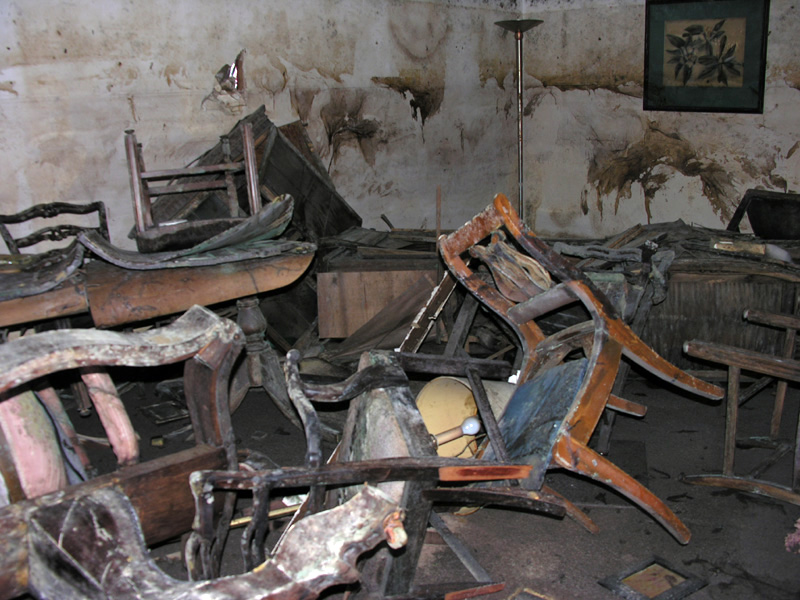 CostsWhat does water damage restoration cost?
 EmergencyWhat to do about a sewage backup in your house
 EmergencyBasement flooded? What to do first, hour by hour