
Does a musty smell always mean mold? No, but it almost always means moisture, and mold is the single most likely explanation.
That distinction matters, because the fix for mold and the fix for a dried out drain trap have nothing in common.
Most pages online answer this with one word and move on. The useful answer is a short list of causes and a way to tell them apart.
This page walks the whole list, from the most common to the ones people miss for years.
Does a musty smell always mean mold? The short answer
No. But a musty smell is never nothing, and treating it as harmless is the mistake worth avoiding.
Mold is the most common cause by a wide margin, and the EPA is direct about it. You may suspect hidden mold if a building smells moldy but you cannot see the source.
The reason mold leads the list is simple. It only needs moisture and something to eat, and every house offers both.
The other causes almost all trace back to the same root. Something is damp, stagnant, or unventilated, and biology is doing what biology does.
So the honest answer is a two-parter. Not always mold, but always worth chasing, because the smell is a symptom rather than a nuisance.
If the smell arrived after a leak or a flood, the odds tilt hard toward mold, and the mold timeline after water damage explains why it shows up when it does.
What actually makes the musty smell
You are not smelling mold spores. Spores are heavy and essentially odourless.
The smell is gas. As mold and bacteria break down wood, paper, or fabric for food, they release microbial volatile organic compounds, shortened to mVOCs.
Those compounds are a mix of alcohols, ketones, aldehydes, and sulphur compounds, and your nose reads the blend as earthy, damp, and faintly sweet.
This is why the smell arrives before the sight. Gases travel through drywall, carpet, and ductwork, while the growth itself stays sealed behind a surface.
It also explains why the smell is strongest when growth is active. Dried out mold stops feeding and stops off-gassing, so a smell that fades is not proof it is gone.
Human noses are good at this at surprisingly low concentrations, which is a real advantage. If you can smell it, it is worth looking for.
The things that smell musty and are not mold
These come up again and again in homes where a mold inspection finds nothing:
- A dried out P-trap. A floor drain, guest bath, or laundry sink left unused for a few weeks loses its water seal and lets sewer gas in.
- Dirty sock syndrome. Bacteria on a damp air conditioner evaporator coil, which smells musty only when the system runs.
- A blocked condensate drain pan sitting full of standing water inside the air handler.
- A front-load washer gasket holding water and biofilm in its folds.
- Old materials that absorbed damp for years: books, cardboard, carpet pad, upholstery in a basement.
- A damp crawl space venting soil moisture up into the house through the floor.
- Simple lack of ventilation. A closed-up room or a vacant house gets stale and reads as musty.
One more worth naming, because people confuse it with mold. A dead rodent in a wall is putrid and sweet, not earthy, and it fades over several weeks.
The dried out trap is the one to check first, because it is free to test and fixes itself. Pour a gallon of water down every unused drain.
If the smell disappears within a day of doing that, you found it, and you never had a mold problem at all. It is a genuinely common outcome, and it costs nothing to rule out first.
How to tell mold from the other causes
The trick is not to sniff harder. It is to notice when the smell changes.
- Only when the AC or heat runs: points at the coil, the drain pan, or the ducts, not the walls.
- Worse after rain or snowmelt: points at water entering the building, usually a basement wall, a roof, or a crawl space.
- Strongest at one drain: a dry trap or a fouled drain line.
- Constant everywhere, all year: usually humidity plus absorbent contents rather than one growth site.
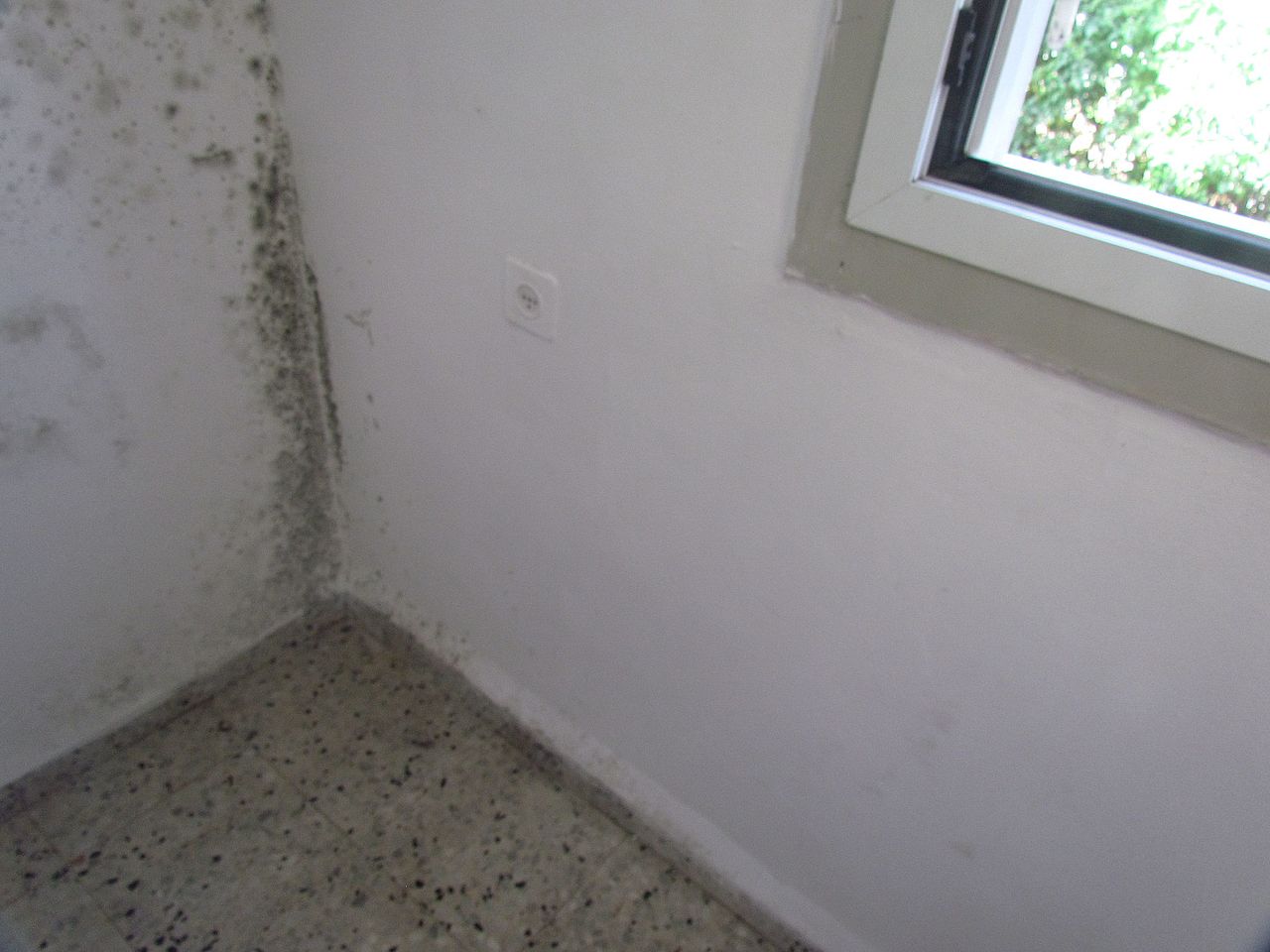
- Strongest in one closet, corner, or wall: the classic pattern for hidden mold behind a surface.
Then check the humidity with a $15 hygrometer. The EPA advises keeping indoor humidity below 60 percent, ideally 30 to 50 percent.
A house reading 65 percent or higher can grow mold on almost any surface with no leak involved at all, which surprises people who have been hunting for a burst pipe.
Finally, follow the timeline. A smell that started within weeks of a leak, a flood, or a roof repair is mold until proven otherwise.
Does a musty smell always mean mold after water damage?
After a leak or flood the odds change completely. Here, a musty smell is mold until you prove otherwise.
The EPA gives you roughly 24 to 48 hours to dry wet materials before mold begins, and the smell usually shows up days after that.
So a smell appearing one to three weeks after water damage is a strong sign that something never fully dried inside a cavity.
The usual culprits are the places air movers never reached: wall cavities, subfloor, insulation, and carpet pad.
This is also the situation where a drying crew calling the job finished does not settle it. A surface can read dry while the framing behind it is not.
If the smell followed a known water event, the removal steps are here: how to get rid of a musty smell after water damage.
Where hidden mold hides when you cannot see it
Mold grows where it is dark, damp, and undisturbed, which describes most of the parts of a house you never look at.
- The back side of drywall, especially on exterior walls and behind furniture pushed tight to them.
- Under carpet and pad, where a single spill can sit for months.
- Inside ductwork and above ceiling tiles, both of which spread the smell house-wide.
- Behind vinyl wallpaper, which traps moisture against the wall like a plastic sheet.
- Under sinks and inside cabinet toe kicks, from a drip too slow to ever puddle.
- In the crawl space, on the underside of the subfloor where nobody looks.
Basements deserve their own note. If the smell rises after every storm, the source is usually the wall itself, and water coming in through basement walls explains what that means.
A moisture meter costs about $30 and beats guessing. Take a baseline on a known dry wall, then hunt for readings that do not match.
What removes the smell, and what never does
Only one thing removes a musty smell for good. Stop the moisture and remove what grew.
Everything else is temporary, and some of it makes the problem harder to find.
- Works: fixing the leak, drying the cavity, removing soaked porous material, and holding humidity under 60 percent.
- Helps briefly: ventilation, air scrubbers with HEPA and carbon, and running a dehumidifier.
- Does not work: air fresheners, scented candles, and ozone generators, which mask the smell and can irritate your lungs.
Bleach is the other habit worth dropping. On porous surfaces like drywall and wood it wets the material and leaves the roots behind, which is why the smell returns.
If you have found actual growth, the practical method is here: how to get rid of mold after water damage.
Is a musty smell dangerous to breathe?
For most healthy adults, the smell itself is a warning sign rather than a poison.
What people report from mVOC exposure is headaches, irritated eyes, a scratchy throat, and tiredness that improves when they leave the building.
The larger risk is what the smell indicates. Damp indoor spaces are consistently linked to coughing, wheezing, and worsened asthma.
Some people carry far more risk: infants, older adults, anyone with asthma or allergies, and anyone immune compromised.
If symptoms clear up when you are away from the house and return when you get back, treat that as real evidence and act on it. The specific question of toxicity is covered in is black mold from water damage dangerous.
Smell it but cannot find it? A moisture inspection finds wet cavities without opening every wall, and usually costs less than one wrong repair.
(844) 502-1354When to test, and when to call a professional
Skip the mail-in air test. The EPA does not recommend routine sampling, partly because there are no federal standards for acceptable spore counts to compare a result against.
If you can smell it and you can find damp, you already have your answer, and the money is better spent on finding the water.
Call a professional when growth covers more than about 10 square feet, which is the EPA's rough line, or when the source is inside walls or ductwork.
Also call when the smell survives a thorough cleanup, when anyone in the house has ongoing symptoms, or when the water came from sewage.
Ask any inspector to bring a moisture meter and a thermal camera, and to give you the moisture readings in writing. A diagnosis you cannot see is a diagnosis you cannot check.
Common questions
Can you have a musty smell with no mold at all?
Yes. A dried out drain trap letting sewer gas in, bacteria on an air conditioner coil, a full condensate pan, or simply old materials that absorbed damp for years all smell musty. Each one is a different fix, so identify it before remediating.
Why does my house smell musty only when the air conditioning is on?
That points at the HVAC system rather than the walls. Moisture on the evaporator coil feeds bacteria, sometimes called dirty sock syndrome, and a blocked condensate drain leaves standing water in the air handler. Both are cleaning jobs, not remediation.
Why does the musty smell get worse after it rains?
Because water is entering the building. Rain raises the water table and saturates the soil around the foundation, which pushes moisture through basement walls and crawl spaces. The smell rises with the moisture, then fades as things dry.
Should I buy a mold test kit?
Generally no. The EPA does not recommend routine sampling because there are no federal standards for acceptable spore levels to compare a result to. If you can smell it and find damp, spend the money on finding the water source instead.
Will an air purifier or ozone generator get rid of the smell?
A HEPA and carbon purifier reduces the smell while it runs, but it does not stop the source. Avoid ozone generators. They mask odours, can irritate lungs at effective concentrations, and leave the growth untouched.
How long does it take for a musty smell to appear after a leak?
Usually one to three weeks. Mold can start within 24 to 48 hours, then needs time to grow enough to produce a detectable amount of gas. A smell weeks after a repair usually means a cavity never fully dried.
Sources
- A Brief Guide to Mold, Moisture and Your Home — U.S. Environmental Protection Agency
- Mold Course, Chapter 2: Why and Where Mold Grows — U.S. Environmental Protection Agency
- Basic Facts about Mold and Dampness — U.S. Centers for Disease Control and Prevention (CDC)
- WHO Guidelines for Indoor Air Quality: Dampness and Mould — World Health Organization
- Damp Indoor Spaces and Health — Institute of Medicine, National Academies of Sciences
- ANSI/IICRC S520 Standard for Professional Mold Remediation — Institute of Inspection, Cleaning and Restoration Certification (IICRC)
- Trap seals and trap seal protection requirements — International Plumbing Code, International Code Council
- Indoor Air Quality Guide: Managing Moisture and Humidity — ASHRAE
 AftermathHow to get rid of a musty smell after water damage
 Mold & HealthHow long does it take for mold to grow after water damage?
 Mold & HealthHow to get rid of mold after water damage
 Mold & HealthIs black mold from water damage dangerous?
 Water Damage by LocationWater coming in through basement walls? What it means
 Drying & RemovalHow long does it take to dry out walls after a leak?