
A damp smell in basement air weeks after flooding means the basement is not actually dry yet.
The floor can feel dry to a bare hand while the slab, the framing, and the drywall underneath still hold water.
That trapped moisture is what feeds the smell, which is why cleaning and airing out never fix it on their own.
This guide finds the water first, then kills the odor at its source, in the order a restoration crew would work. If the smell followed a leak upstairs instead, start with removing a musty smell after water damage.
What a damp smell in basement air actually is
The odor is gas given off by mold and bacteria as they feed on wet paper, wood, and dust.
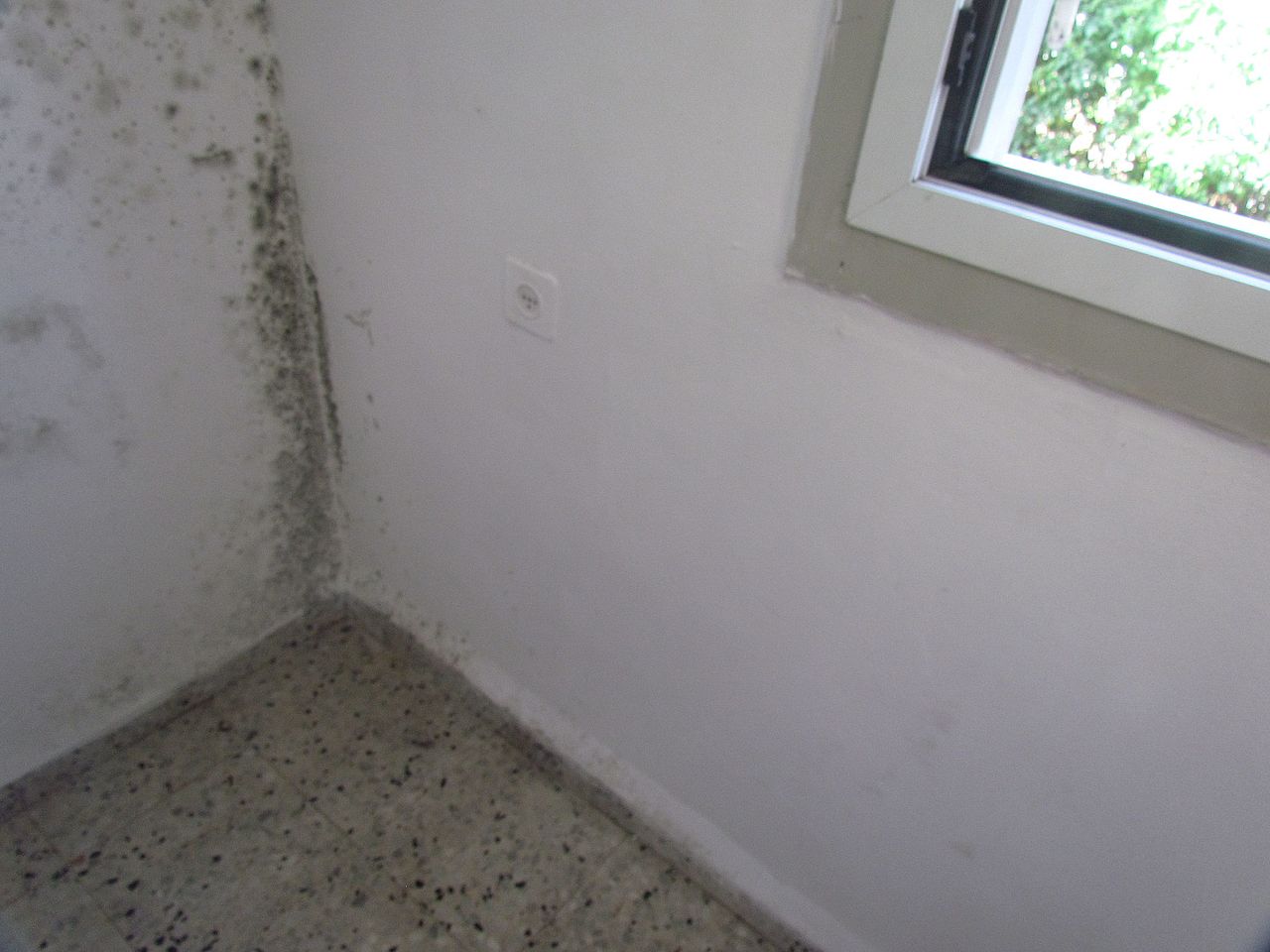
Those gases are the reason you can smell mold you cannot see, often long before a single spot shows on a wall.
So the nose is doing real work here. A basement that smells damp is telling you growth is active right now, somewhere close.
Not every earthy smell is mold, though. Cold concrete, a dry drain trap, and old stored cardboard all produce their own musty odors.
Where the moisture hides after a basement flood
Flood water goes up into materials, not just across the floor, and it stays there long after the surface dries.
Check these five places in order, because they hold water the longest:
- Carpet padding. The foam under the carpet acts like a sponge and almost never dries in place.
- Drywall and its paper face. Water wicks up the sheet well above the visible tide line.
- Insulation in the stud bays. Wet fiberglass and mineral wool stay damp behind an intact wall.
- The bottom plate and framing. Wood in contact with a wet slab keeps pulling moisture up.
- Stored cardboard, paper, and fabric. These are the loudest smell sources in most basements.
The concrete slab itself is the slow one. A saturated slab can release moisture for weeks and keep the whole room humid.
That is also why the smell often gets worse in summer. Warm humid air meets cool basement surfaces and condenses right back onto them.
The floor drain almost nobody checks
If the smell is more sour or sewage-like than earthy, the cause may not be mold at all.
Basement floor drains hold a water seal in a P-trap, the same as a sink, and that seal blocks sewer gas.
After a flood, cleanup and weeks of a running dehumidifier can evaporate the trap dry, and the gas comes straight up.
The fix takes a minute. Pour a gallon of water down each floor drain, then repeat monthly if the basement runs dry.
A splash of cooking oil on top slows evaporation in a drain you rarely use, so the seal lasts through the season.
Two more odor sources below grade
Look in the sump pit. Standing flood water sits in there for months and grows a film that smells every time the pump cycles.
Empty it, scrub the pit walls with detergent, and let it refill with clean groundwater.
Then check the ductwork. If floor registers took on water, the duct boot below the floor is holding it, and the furnace blows that smell through the house.
A wet furnace filter does the same thing on a smaller scale, so change it once the drying is done.
Is the smell itself dangerous?
The gases you smell are not the health risk. The mold producing them can be, especially for anyone with asthma or allergies.
The CDC links indoor dampness and mold to coughing, wheezing, and worse asthma symptoms in sensitive people.
Treat a persistent damp smell as a live moisture problem rather than a nuisance, and it stops being a health question.
Step 1: find the water before you clean anything
Buy or borrow a moisture meter. It costs less than one bottle of odor treatment and it ends the guessing.
Read the drywall low on the wall, the framing, and the subfloor. The EPA target for materials before refinishing is 15 percent moisture content or less.
No meter handy? Tape a square of plastic sheeting to the slab overnight. Condensation underneath means the concrete is still giving off water.
Pull a baseboard and look behind it. Wet insulation and a dark tide line mean the wall cavity is the source, and walls take days to dry, not hours.
Step 2: remove what will never dry
Some materials are done once flood water soaks them, and keeping them guarantees the smell comes back.
Carpet padding is first on the list. It traps water against the slab and rarely survives a basement flood.
Soaked cardboard boxes, particle board shelving, and upholstered furniture go next. Porous plus contaminated equals out.
Cut wet drywall about a foot above the highest water line, or higher if the meter still reads wet up there.
One safety note for older homes. Nine by nine floor tiles and their black adhesive can contain asbestos, so test before ripping any of it out dry.
Step 3: clean the mold before you run the fans
This is the step people get backwards, and it spreads the problem across the whole house.
The EPA advises waiting to run fans and dehumidifiers until after you have gently cleaned the visible mold, so the air movers do not blow spores everywhere.
Clean hard surfaces with detergent and water first. Bleach on a dirty surface does very little, because the grime shields the growth underneath.
Scrub, wipe, and let the surface dry. For anything larger than a wall patch, here is how to get rid of mold after water damage properly.
Step 4: dry the basement to a number
Now the equipment earns its keep. Run a dehumidifier plus air movers, not one or the other.
Air movers strip the damp layer off surfaces so the dehumidifier has moisture to pull out of the air.
The EPA target is indoor humidity below 60 percent, and 30 to 50 percent is better. A ten dollar hygrometer tells you where you stand.
Expect several days to a couple of weeks below grade, because a cool basement dries far slower than an upstairs room.
Do not seal, paint, or replace the drywall until the meter agrees the framing is dry. Sealing wet material locks the smell in permanently.
What does not work on a damp smell in basement air
Air fresheners and scented plug-ins only layer perfume over mold gas. Your nose adapts, the growth continues.
Ozone generators are the popular bad idea. The EPA is clear that ozone is not effective at concentrations that meet health standards, and it irritates lungs.
Charcoal bags, baking soda, and coffee grounds absorb a little odor from the air. They do nothing to the wet drywall producing it.
Bleach fogging a whole basement is also a miss. It adds water to a room whose entire problem is water.
How a restoration crew kills basement odor
Professionals work the same order, with better tools and no guessing about where the water is.
They map moisture with meters and a thermal camera, then remove the unsalvageable material instead of trying to dry it.
Surfaces get HEPA vacuumed and wiped, which physically removes the spores and debris that scented sprays only coat.
Then commercial dehumidifiers and air movers run for days, with readings logged daily until the materials hit dry standard.
Only after the framing is dry does a crew seal it, usually with a shellac based primer that locks down any remaining stain and odor.
Some crews finish with a hydroxyl generator, which can run safely in an occupied space, unlike ozone.
Smell still there after two weeks of drying? That usually means water is trapped in a wall or under the slab, and a moisture reading beats another guess.
(844) 502-1354Keeping the smell from coming back
Once dry, the basement stays odor free only if the humidity stays down year round.
Leave the dehumidifier on a humidistat through the warm months, and keep gutters and downspouts discharging well away from the foundation.
Store anything you care about in sealed plastic bins on shelves, never cardboard on the slab.
If seepage keeps returning after rain, the odor is the smaller problem. Deal with water coming in through the basement walls first.
When a damp smell in basement air means calling a professional
Call when the smell survives two weeks of real drying, because that points to water inside a wall or under the floor.
Call when visible mold covers more than about 10 square feet, the rough line the EPA uses for professional cleanup.
Call immediately if the flood water was sewage. Category 3 water contaminates porous materials in a way scrubbing does not undo.
Call if the odor came back after you already replaced drywall, which usually means the wall went up over wet framing.
A crew brings meters, commercial dehumidifiers, and containment. It helps to know what that costs before you dial.
One last thing worth saying plainly. A basement that smells damp is not a cleaning failure, it is a drying job that has not finished yet.
Common questions
My basement is dry to the touch but still smells damp. What am I missing?
Almost always trapped water you cannot reach: wet carpet padding, insulation inside the stud bays, the bottom plate of the framing, or a slab that is still giving off moisture. A moisture meter finds it in ten minutes. Surfaces dry first and smell last.
How long should the smell take to go away after a flood?
Once the wet material is removed and humidity is held under 60 percent, the odor usually fades within one to two weeks. If it survives two weeks of real drying with equipment running, water is still hiding somewhere and the drying is not finished.
Do ozone generators get rid of basement odor?
No. The EPA states ozone is not effective at removing odors at concentrations that meet public health standards, and it irritates the lungs. It can temporarily blunt your ability to smell the problem while the mold keeps growing on the wet material.
Why does my basement smell worse in summer than in winter?
Warm humid outside air meets cool basement walls and floor, condenses on them, and feeds the growth. Opening windows on a humid day makes it worse, not better. Run a dehumidifier on a humidistat instead of ventilating.
The smell is more like sewage than mildew. Is that still mold?
Probably not. A basement floor drain holds a water seal that blocks sewer gas, and that seal evaporates dry when the basement is unused or a dehumidifier runs for weeks. Pour a gallon of water down each floor drain and see if the smell clears.
Can I just paint or seal the basement walls to lock the smell in?
No. Sealing wet drywall and framing traps moisture against the material, so the growth continues behind the paint and the odor returns through the coating. Dry the assembly to 15 percent moisture content or less before any refinishing.
Sources
- Flood Cleanup: Protecting Indoor Air Quality — U.S. Environmental Protection Agency
- A Brief Guide to Mold, Moisture and Your Home — U.S. Environmental Protection Agency
- Ozone Generators That Are Sold as Air Cleaners — U.S. Environmental Protection Agency
- Mold Cleanup After Disasters: When to Use Bleach — U.S. Centers for Disease Control and Prevention (CDC)
- ANSI/IICRC S500 Standard for Professional Water Damage Restoration — Institute of Inspection, Cleaning and Restoration Certification (IICRC)
- Repairing Your Flooded Home — American Red Cross and Federal Emergency Management Agency
- Moisture Control and Dehumidification in Basements — U.S. Department of Energy, Building America program
- Sewer Gas Odors and Dry Floor Drain Traps — Minnesota Department of Health
 AftermathHow to get rid of a musty smell after water damage
 AftermathDoes a musty smell always mean mold?
 Mold & HealthHow to get rid of mold after water damage
 By LocationWater coming in through basement walls: what it means
 Drying & RemovalHow long does it take to dry out walls after a leak?
 CostsWhat does water damage restoration cost?