
The water damage drying process is five stages: inspect, extract, remove, dry, verify, and the last one is the stage homeowners never see explained.
It is not fans in a room. It is a controlled attempt to pull water out of wood, drywall, and concrete faster than mold can start.
Everything a crew does is aimed at one number: the moisture content of your building materials.
This page walks the whole sequence in order, including how the job is supposed to end and what to ask if it does not.
What the water damage drying process actually involves
Drying works by evaporation. Water leaves a wet material, becomes vapor in the air, and something has to take that vapor out of the room.
That is the whole science. Air movers speed the evaporation, and dehumidifiers capture the vapor so the air can absorb more.
Run fans alone and you simply move humid air around, which slows the job and drives moisture deeper into cool cavities.
Run a dehumidifier alone and the surfaces release water far too slowly to beat the clock.
Temperature matters too. Warm air holds more moisture, so crews often raise the room to 70 to 80 degrees to speed evaporation.
If you are still in the first hour of the emergency, start with the ordered first steps for a flooded space, then come back here.
Step 1: inspection and moisture mapping
Before any equipment comes off the truck, a technician maps the water.
They use a pinless moisture meter to scan surfaces, a pin meter to read moisture content inside wood, and often a thermal camera to spot cool wet areas behind finishes.
They then take a dry standard, a reading from the same material in an unaffected part of the house. That becomes the target.
They also classify the water. Clean supply water, gray water from an appliance, or Category 3 black water from sewage, which changes what can stay.
Ask for this map on day one. It is the document that tells you how far the water traveled, and it usually surprises people.
Step 2: extraction, the step that saves the most time
Every gallon pulled out as liquid is a gallon nobody has to evaporate, so extraction is where the schedule is won.
Crews use truck-mounted or portable extractors, and on carpet they use a weighted extraction tool that presses water up through the pad.
Extraction is roughly 1,200 times more efficient than evaporation for removing bulk water, which is why a good crew spends hours on it.
Carpet is the judgement call here. Whether wet carpet can be saved or has to go depends on the water category and how long it sat.
Step 3: removing what cannot be dried
Some materials never dry properly, and leaving them in place is the most common cause of a failed job.
- Carpet pad holds water like a sponge and is almost always discarded.
- Wet fiberglass insulation loses its R-value and traps moisture against the framing.
- Saturated paper-faced drywall crumbles and feeds mold on its paper facing.
- Anything touched by Category 3 water that is porous, regardless of how it looks.
The industry term is controlled demolition, and it is deliberately minimal. A flood cut removes drywall to a line above the water, often 2 or 4 feet up.
Crews also drill small holes behind baseboards or remove them entirely so air can reach inside the wall cavity.
Drywall is not always a loss. Whether wet drywall has to be replaced or can be dried comes down to the water category and how long it stayed wet.
Step 4: air movers, dehumidifiers, and the numbers behind them
Now the equipment goes in, and the placement is not random.
Air movers sit at a shallow angle to the wall, roughly every 10 to 16 feet, so air sweeps along surfaces instead of colliding in the middle of the room.
Refrigerant dehumidifiers condense vapor into a tank or a pumped drain line. Desiccant dehumidifiers use a drying wheel and work better in cold spaces.
The crew sizes the equipment from the room volume and the class of water damage, which describes how much of the space is wet and how porous it is.
Then the room gets closed up. Open windows sabotage the job on a humid day, because outdoor air brings its own moisture in.
Yes, it is loud, and yes, it runs day and night. Turning the equipment off overnight can add days to the job.
How long the water damage drying process takes
Most residential jobs run three to five days of equipment time, with repairs starting after that.
But the ANSI/IICRC S500 standard does not set a number of days. It sets a drying goal, and the equipment stays until the readings hit it.
Dense materials take longer. Plaster, hardwood, and concrete can need a week or more, while open framing and tile can be done in two days.
The three day rule you may hear quoted is a scheduling habit, not a standard. Ask what your target readings are instead of asking for a date.
For a material-by-material breakdown, see how long walls take to dry after a leak.
How the water damage drying process ends
This is the stage that separates a real restoration crew from a fan rental.
The job is finished when affected materials read within a few points of the dry standard taken from an unaffected area of the same house.
Under the standard, technicians record daily readings: temperature, relative humidity, and the moisture content at fixed monitoring points.
Ask for those logs at the end. A crew that pulls equipment without documented readings has guessed, and you will find out in the spring.
If the walls smell musty after the fans leave, the job was not finished. That odor is the signal of moisture still trapped somewhere.
Hardwood, concrete, and drying inside a wall
Some assemblies cannot be dried by pointing a fan at them, so the water damage drying process uses targeted systems instead.
Hardwood floors get a mat system that seals to the surface and pulls moisture up through the boards under vacuum, which avoids tearing out a floor that could recover.
Wall cavities get injection drying, where small hoses push dry air behind the drywall through holes hidden by the baseboard.
Concrete slabs hold water deep and release it slowly, so they often need low-grain refrigerant or desiccant units running longer than the rest of the job.
Crawl spaces are their own problem, because ground moisture keeps feeding the space long after the leak is fixed.
Whether the wood survives is a separate question with its own timeline. Cupped boards can flatten, but only if drying starts fast.
Signs the water damage drying process is going wrong
You do not need a meter to spot a job that is drifting. Watch for these five.
- No daily visit. Equipment sits for days with nobody taking readings.
- No moisture log offered or produced when you ask for one.
- Fans removed on a fixed date rather than on a reading.
- A musty smell that grows instead of fading through the week.
- Baseboards left on where the wall behind them is known to be wet.
Any of those is worth a direct question. Ask what the current reading is and what the target is, and expect a number.
What you should do while the equipment runs
You are not a bystander for those three to five days, and a few small habits protect the outcome.
- Leave the equipment on, including overnight and while you are out.
- Keep interior doors open in the affected area so air can circulate as planned.
- Keep the heat on. Warm air carries more moisture, and cold rooms dry slowly.
- Move belongings out of the drying zone rather than working around them.
- Photograph the readings each day, or ask for a copy of the log.
Two things to avoid. Do not run a household air purifier as a substitute, and do not seal the room with plastic unless the crew asked for containment.
Expect the power bill to rise. A full equipment set draws real current, and some carriers reimburse the difference if you ask and document it.
What the drying stage costs and who pays
Drying is billed by equipment per day plus labor, so the daily count and the number of days drive the invoice.
It is also usually the cheaper half of the total loss. Rebuilding what came out costs more than drying what stayed.
For sudden and accidental damage, insurance normally covers mitigation, and many crews bill the carrier directly. Your out of pocket is often just the deductible.
See what water damage restoration costs overall so you can read the estimate line by line.
Doing the drying yourself: what actually changes
For a small clean-water spill on a hard surface, a shop vac, box fans, and a dehumidifier can work.
Two things change. You have no moisture meter, so you cannot tell wet framing from dry, and rental units are far weaker than restoration equipment.
Keep humidity under 60 percent, the level the EPA names for holding mold back, and run everything for at least three to five days.
If water touched drywall, insulation, or subfloor, the honest answer is that this is the point to call a professional for water damage.
Not sure whether the walls are dry inside? One moisture reading now beats a demolition bill later.
(844) 502-1354Common questions
Why does the crew leave the equipment running all night?
Drying is continuous. Air movers keep a dry boundary layer moving across wet surfaces, and shutting them off lets humidity rebuild and evaporation stall. Every overnight shutdown adds hours or days, and the crew is billed for equipment days either way.
Should I open the windows to help it dry faster?
Usually no. The crew is controlling humidity inside a closed space, and outdoor air on a humid day brings more moisture in than it takes out. Open windows only help when the outside air is genuinely drier and cooler than the room.
How do I know when my walls are really dry?
By comparison, not by feel. A technician takes a reading from the same material in an unaffected part of the house, then dries the wet materials until they read within a few points of it. Ask for the daily moisture log that documents this.
Why did they cut the drywall instead of drying it?
Paper-faced drywall that sat wet, or any drywall touched by sewage, cannot be reliably dried or sanitized. A flood cut removes the compromised section and opens the cavity so the framing and insulation behind it can dry properly.
Can I dry it myself with box fans and a dehumidifier?
For a small clean-water spill on tile or sealed concrete, yes. For soaked drywall, carpet pad, insulation, or subfloor, no. Consumer equipment lacks the airflow and capacity, and without a moisture meter you have no way to confirm the job is done.
How many air movers do I need per room?
Restoration crews calculate from room volume and how much of the space is wet, commonly one unit per 10 to 16 feet of affected wall plus additional units for wet flooring. Guessing low is the most common homeowner mistake.
Sources
- A Brief Guide to Mold, Moisture and Your Home — U.S. Environmental Protection Agency
- Mold Cleanup After a Flood — U.S. Centers for Disease Control and Prevention (CDC)
- ANSI/IICRC S500 Standard for Professional Water Damage Restoration, 2021 edition — Institute of Inspection, Cleaning and Restoration Certification (IICRC)
- Setting drying targets under the S500 standard — Restoration industry technical guidance, Accuserve
- How many days does it take to dry? The three day drying myth — Learn to Restore, restoration training
- Drying and dehumidification after water damage — Servpro Industries technical resources
- Psychrometrics and structural drying fundamentals — Restoration and Remediation Magazine
 Drying & RemovalHow long does it take to dry out walls after a leak?
 MaterialsWet drywall: does it always need to be replaced?
 DIY vs ProfessionalWhen to call a professional for water damage
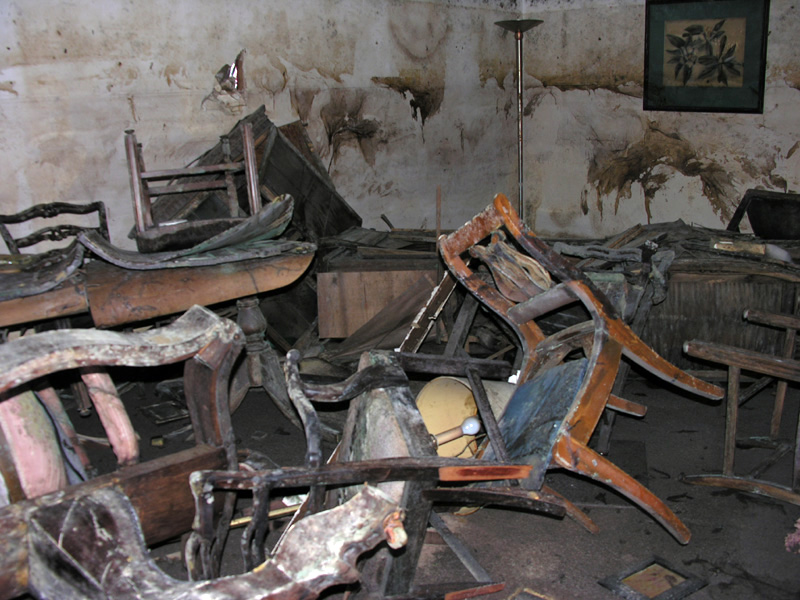 CostsWhat does water damage restoration cost?
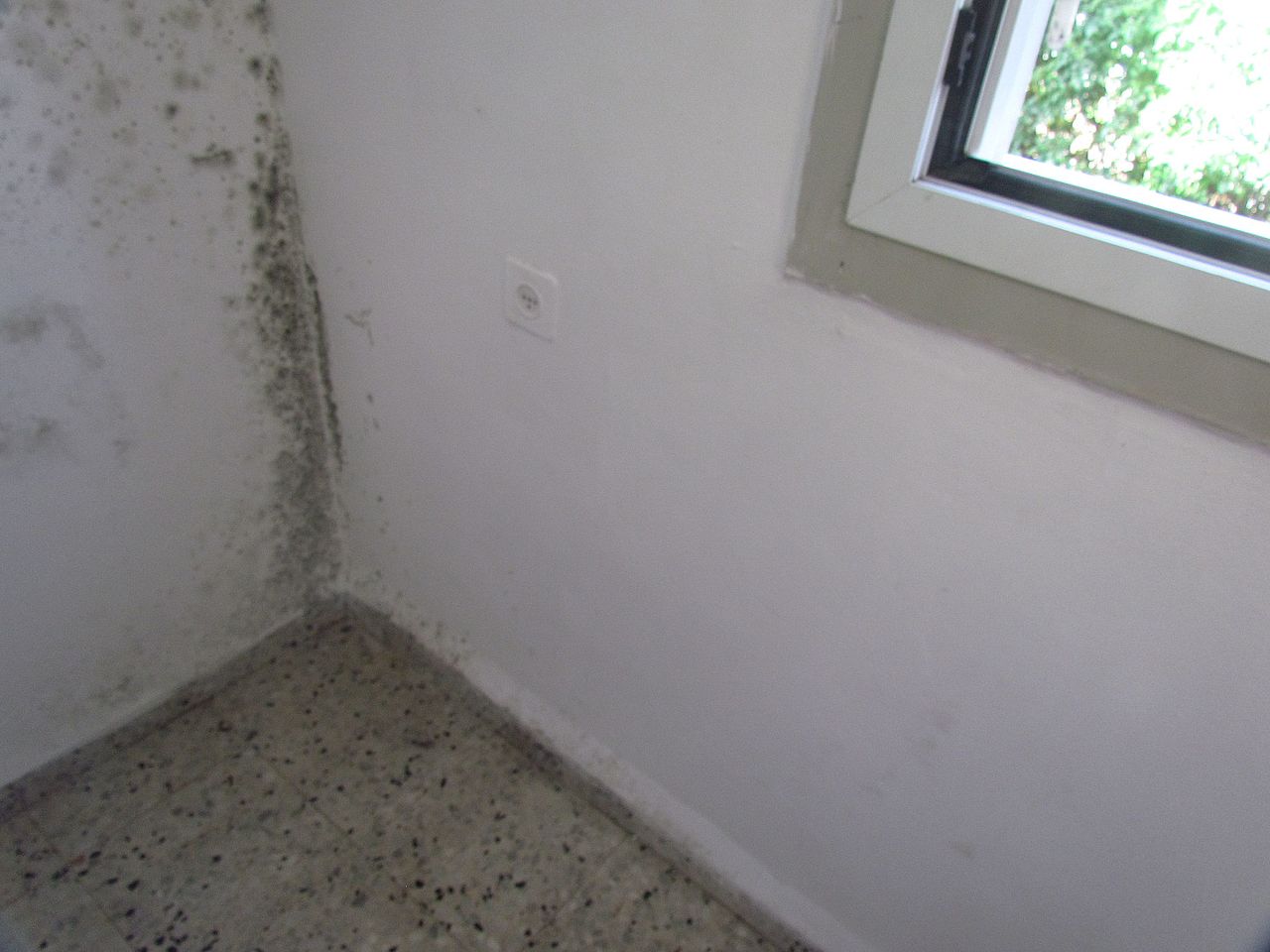 AftermathHow to get rid of a musty smell after water damage
 MaterialsWet carpet after water damage: can it be saved?